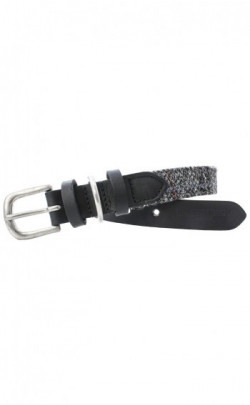
Q. Where should I buy my kilt?
A. You'd be stark raving bonkers to go anywhere but e-kilts - the only firm we know that supplies top quality kilts at rock-bottom prices!
 |
|
|
 |
Language |
Hoots man, see you Jimmy, it's a braw bricht moonlicht nicht the nicht, och aye the noo. |
 We look to Scotland for all our ideas of civilisation  |
| - Voltaire |
While quizzing visitors to Scotland, 'language' appeared in the top ten answers, not because of 'Gaelic' or 'Scots' but due to a genuine problem with understanding what locals were saying. Visitors have on occasions thought fast-spoken residents were speaking Gaelic (pronounced gallic).
By the eleventh century Gaelic, a tongue originating from Ireland, was becoming a dominant language in Scotland. However, by the sixteenth century it was confined to the northern and western areas. A new law was passed in 1695, encouraging the setting up of English Schools in the Highlands. This regulation was a clear attempt to dissuade people from using the language. In recent years there's been an upsurge in people learning 'the Gaelic'.
A helpful guide for visiting tourists:
 | If someone offers you a Glasgow kiss, refuse. (It's a less than charming expression for head butting.) |
 | A free house does not mean the drinks are free. (It's a pub not owned by a brewery.) |
 | Steamboats doesn't mean ships driven by steam. (It's an expression of drunkenness.) |
 | A square go is not a boxed set of traffic lights. (It's someone asking you for a fight.) |
 | A fag is not a gay person. (It's a cigarette.) |
 | Lifted by the police doesn't mean raised in the air. (It means arrested.) |
 | Being knocked up doesn't mean becoming pregnant. (It's a term used to awaken someone from his or her slumber.) |
 | A Highland fling has nothing to do with extra-marital relations up north. (It's a Scottish dance.) |
 | Being called 'hen' does not mean you look foul. (It's a term of endearment.) |
 | A nappy is not a napkin for wiping your mouth. (It's a diaper.) |
|
|

"A traditional Scottish Evening"
|
Ten Scottish words:
 | Cuddie - horse. |
 | Puddock - frog. |
 | Bubbly Jock - turkey. |
 | Tattie Bogle - scarecrow. |
 | Dyke - wall. |
 | Breeks - trousers. |
 | Minging - rather smelly. |
 | Puggie - gambling machine. |
 | Spirtle - porridge stirrer. |
 | Baffies - slippers. |
|
|
|
Visitor: "Can you tell me where the railway station is?"
Scotsman: (wildly gesticulating) "Ochayenaebother -palit'sdoontheroadandturnleftattheweehooseonthecorner."
Visitor: (perplexed) "Are you a tourist too"
|
|

"A monument dedicated to the Scottish pastime of doughnut hurling"
|
A useful guide to the pronunciation of Scottish place names
 | Leuchars - Loo-cars. |
 | Edinburgh - Edin-burr-ah. |
 | Kirkcaldy - Kirk-cawdie. |
 | Culross - Coo-ross. |
 | Milngavie - Mill-guy. |
 | Dounreay - Doom-ray-radio- active-run-fast. |
 | Kingussie - King-ewe-sea. |
 | Gullane - Gillin if you're posh, Gullan if you're not. |
 | Peebles - Pea-bills. |
 | Dumfries - Dumb-freeze. |
|
|
|
 Did You Know? | |
The words of exclamation, surprise or disgust "Great Scot!" originated in America. The words refer to General Winfield Scott (1786 -1866) - possibly due to his notorious fussiness and pomposity as a presidential candidate.
|  |
|
|
The lowlanders had their own language 'Scots', an offshoot from old English mixed with many European influences. The dilution of 'Scots' was hastened by the Union of the Crowns in 1603, when James VI moved his court to London and by the Union of the Parliaments in 1707, when English became the language of Government. At school, "speak properly" meant "speak English". Thankfully the culling was not fatal and large chunks of 'Scots' remain within our diction. Not only that, the lingo seems to be evolving within our own brand of English like any other living vernacular. The posh Scot thinks 'sex' is what the potatoes are delivered in.

"Tourists flock in droves to this top Scottish visitor attraction"
|
|
 |
|